Understanding the IP Address 212.32.266.234: A Comprehensive Guide
In the modern digital world, IP addresses have become an essential part of our online identity. Among these, 212.32.266.234 is an example that may pique the curiosity of tech enthusiasts, cybersecurity professionals, and even casual internet users. But what does this specific IP signify, and why does it matter? In this article, we’ll break it down step by step, exploring the intricacies of IP addresses, their functionality, potential issues, and how to handle them safely.
What Is an IP Address?
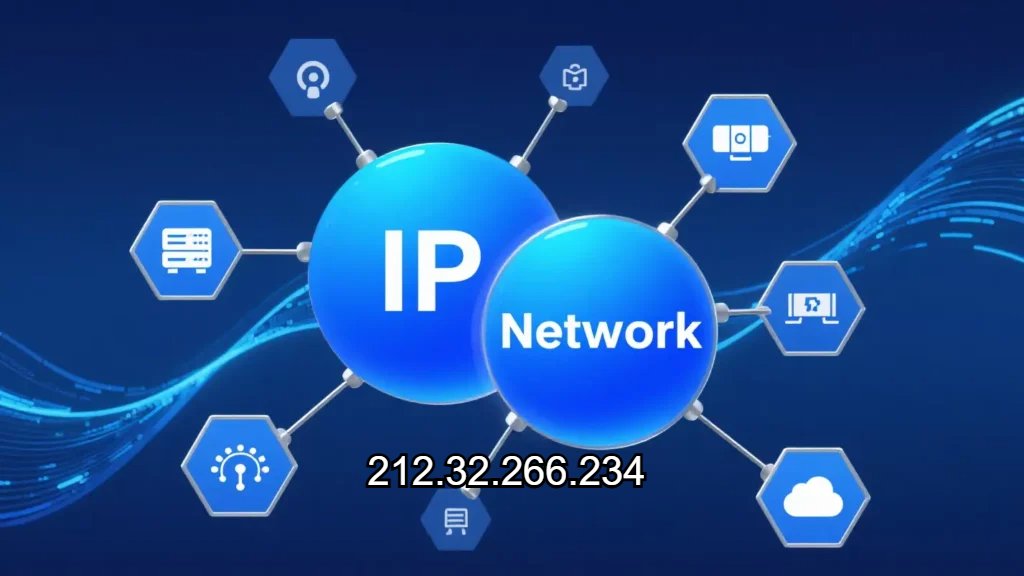
An IP 212.32.266.234 , short for Internet Protocol address, is essentially the digital identity of a device connected to a network. Each device, whether a computer, smartphone, or server, is assigned a unique IP that allows it to communicate with other devices over the internet. The IP address acts like a digital mailing address, ensuring data packets reach their intended destination.
In the case of 212.32.266.234, it appears to be formatted like an IPv4 address, which is the most common type of IP in use today. IPv4 addresses consist of four numerical segments separated by dots, each ranging from 0 to 255. This is crucial to note because the segment “266” in this address exceeds the IPv4 range, suggesting a possible typo or misinterpretation.
IP addresses are foundational for network functionality. They allow routing of information, identification of devices, and even control of network permissions. Whether you’re sending an email, streaming a video, or visiting a website, IP addresses ensure that your request finds the correct server and the response comes back to you efficiently.
Decoding 212.32.266.234: Potential Errors and Misconceptions

At first glance, 212.32.266.234 seems like a standard IPv4 address. However, as mentioned earlier, IPv4 segments cannot exceed 255. This means “266” is invalid in conventional IPv4 addressing. Such mistakes can occur due to misreading, logging errors, or typographical mistakes.
A common misconception is assuming all numeric sequences separated by dots are valid IPs. In reality, any number over 255 in a segment makes it unusable for IPv4 routing. This is why network tools, firewalls, and browsers would reject an address like 212.32.266.234 when trying to connect to it.
Understanding this limitation is critical for both network administrators and average users. Using an invalid IP can lead to connection failures, misrouted packets, and errors in web services. For cybersecurity analysts, spotting invalid IPs can also indicate data corruption, misconfigurations, or even deliberate obfuscation in logs to hide the real source of activity.
How IP Addresses Are Assigned
IP addresses are typically allocated through two main methods: dynamic allocation and static allocation. Dynamic IPs are assigned automatically by network devices like routers, using the Dynamic Host Configuration Protocol (DHCP). This is common for most home internet connections, where your IP may change over time. Static IPs, on the other hand, are manually assigned and remain constant, often used for servers, databases, and other network-critical devices.
Although 212.32.266.234 is not valid due to the “266” segment, if we were to consider it hypothetically corrected to something like 212.32.266.234 → 212.32.255.234, it could fall under either a dynamic or static IP depending on the network configuration. IP allocation is also controlled at a regional level by Internet Registries, which distribute blocks of IPs to Internet Service Providers (ISPs). These registries maintain records of which IPs are assigned to which regions or organizations, aiding in network management and security.
Correct understanding of IP assignment is crucial for anyone working in IT infrastructure, cybersecurity, or web hosting. Knowing whether an IP is dynamic or static helps in troubleshooting network issues, setting up firewalls, and maintaining stable connectivity for services that require consistent access.
Uses and Significance of IP Addresses
IP addresses, valid or hypothetical, serve multiple purposes in digital networks. They are used for routing traffic, geolocation, network security, and troubleshooting. For instance, businesses can analyze IP logs to understand visitor behavior, monitor for suspicious activity, or restrict access to sensitive areas.
For cybersecurity, tracking an IP can reveal potential sources of cyberattacks, unauthorized access attempts, or spam. Tools like traceroute, ping, and IP lookup are commonly used to analyze the behavior of an IP address, check its validity, and assess its network path. While 212.32.266.234 itself is invalid, if it appeared in logs, it could indicate logging errors or a misconfigured system, both of which require attention to prevent network disruptions.
Furthermore, IP addresses play a significant role in digital marketing. Geolocation based on IP can customize website content, provide localized services, and enhance user experience. This makes IP management a blend of technical necessity and business strategy.
How to Handle Suspicious or Invalid IPs
Encountering an IP like 212.32.266.234 can raise questions about its authenticity and safety. If you see such an address in server logs or network monitoring, it’s important to investigate. Invalid IPs can stem from misconfigurations, software bugs, or even attempts to inject fake data into logs.
Network administrators can use validation tools to filter out incorrect IPs, ensuring accurate monitoring. Firewalls and security systems often include mechanisms to block invalid IP addresses or flag unusual patterns. Additionally, educating users and teams about proper IP ranges and formats is essential to prevent accidental misrouting or security vulnerabilities.
For everyday users, it’s mostly a matter of awareness. Understanding that any segment above 255 in an IPv4 address is incorrect can help in troubleshooting connectivity issues or identifying potential errors in software reporting.
Conclusion: Why Accuracy in IP Matters
While 212.32.266.234 might appear as just another IP address, its invalid segment highlights a critical lesson in digital networking: precision matters. IP addresses are the backbone of internet communication, and even a small error can lead to failed connections, data misrouting, or security concerns.
By understanding IP structures, allocation methods, and the tools to analyze them, users and professionals can navigate the internet more effectively. Whether for troubleshooting, cybersecurity, or business analytics, accurate IP management is a cornerstone of modern digital infrastructure.
In short, always double-check IP addresses before using them. In the digital world, a single incorrect number can make all the difference between seamless connectivity and network confusion.