All Things Go Festival: The Modern Music Celebration Redefining Festival Culture
There are music festivals, and then there are cultural movements disguised as music festivals. The All Things Go Festival falls confidently into the second category. All Things Go Festival What began as a passionate project among music lovers has grown into one of the most talked-about and culturally relevant festivals in the United States. It is not just a place where artists perform—it is a space where communities gather, identities are celebrated, and music feels personal again.
What makes this festival particularly compelling is its ability to feel both massive and intimate at the same time. On paper, it boasts major headliners and multi-day programming. In person, however, it feels curated rather than commercial, intentional rather than overwhelming. That balance is rare in today’s crowded festival landscape.
If you have ever wondered why so many fans speak about All Things Go with a kind of emotional loyalty, the answer lies in its origin, its evolution, and its unwavering commitment to thoughtful curation. Let’s take a deep dive into what truly makes this festival stand out.
From Passion Project to Powerhouse Festival

All Things Go Festival Go did not start as a mega-event with corporate polish. It began as a music blog created by passionate curators who genuinely cared about discovering and championing new sounds. That foundation matters because you can still feel it today in the way the festival is programmed. The DNA of music discovery runs through every lineup announcement.
The first official festival event took place in the Washington, D.C. area, and it was modest compared to its current scale. Yet even in its early days, the emphasis was clear: spotlight emerging artists alongside established names, create a safe and inclusive atmosphere, and deliver an experience that felt intentional rather than chaotic. Those early events built trust with audiences.
As word spread and attendance grew, so did the ambition. All Things Go Festival Instead of abandoning its roots, the festival expanded thoughtfully. It scaled up production, secured bigger venues, and attracted globally recognized performers, but it never lost its curatorial edge. That steady, strategic growth is one of the biggest reasons it remains respected rather than overhyped.
Iconic Venues That Elevate the Experience
One of the defining features of All Things Go is its choice of venues. Rather than hosting the festival in generic open fields, organizers select locations that add character and atmosphere to the event itself.
A key home for the festival has been the legendary Merriweather Post Pavilion. Nestled among trees in Columbia, Maryland, this amphitheater offers a natural backdrop that enhances the emotional tone of performances. The combination of open sky, wooded surroundings, and strong acoustics creates a setting that feels immersive without being overwhelming.
The festival’s expansion into New York City brought it to Forest Hills Stadium, a venue rich in history and architectural charm. Forest Hills adds a slightly urban, nostalgic vibe to the experience, blending the energy of the city with the intimacy of a historic arena. It feels grand, yet personal.
Most recently, expansion into Canada introduced performances at Budweiser Stage. Located along Toronto’s waterfront, the stage offers scenic views and a breezy, open-air feel that aligns beautifully with the festival’s end-of-summer timing. Each venue adds a new dimension, proving that environment matters just as much as the lineup.
Lineups That Balance Icons and Breakout Stars
If you study the history of All Things Go lineups, a pattern becomes clear: All Things Go Festival the festival excels at predicting who is about to become huge. It has consistently featured artists right before major career breakthroughs.
Global stars such as Billie Eilish and Lana Del Rey have appeared on past lineups, reinforcing the festival’s ability to attract top-tier talent. But what makes these bookings special is that they often feel like curated choices rather than obvious commercial grabs.
At the same time, the festival has embraced indie-pop favorites like Maggie Rogers and Lucy Dacus, artists known for emotional depth and devoted fan communities. These are performers whose music resonates deeply with audiences seeking authenticity.
More recently, artists such as Noah Kahan and Doechii have demonstrated the festival’s commitment to genre diversity. Indie folk, alt-pop, hip-hop, and experimental sounds coexist comfortably. The result is a lineup that feels cohesive without being predictable.
A Commitment to Inclusivity and Representation
Perhaps the most defining characteristic of All Things Go is its intentional inclusivity. Long before gender-balanced lineups became an industry talking point, this festival was already making it a priority.
Year after year, women artists have dominated headline slots. LGBTQ+ performers are not sidelined—they are centered. All Things Go Festival This is not performative diversity; it is structural. The festival has built its identity around amplifying voices that historically received less mainstream festival representation.
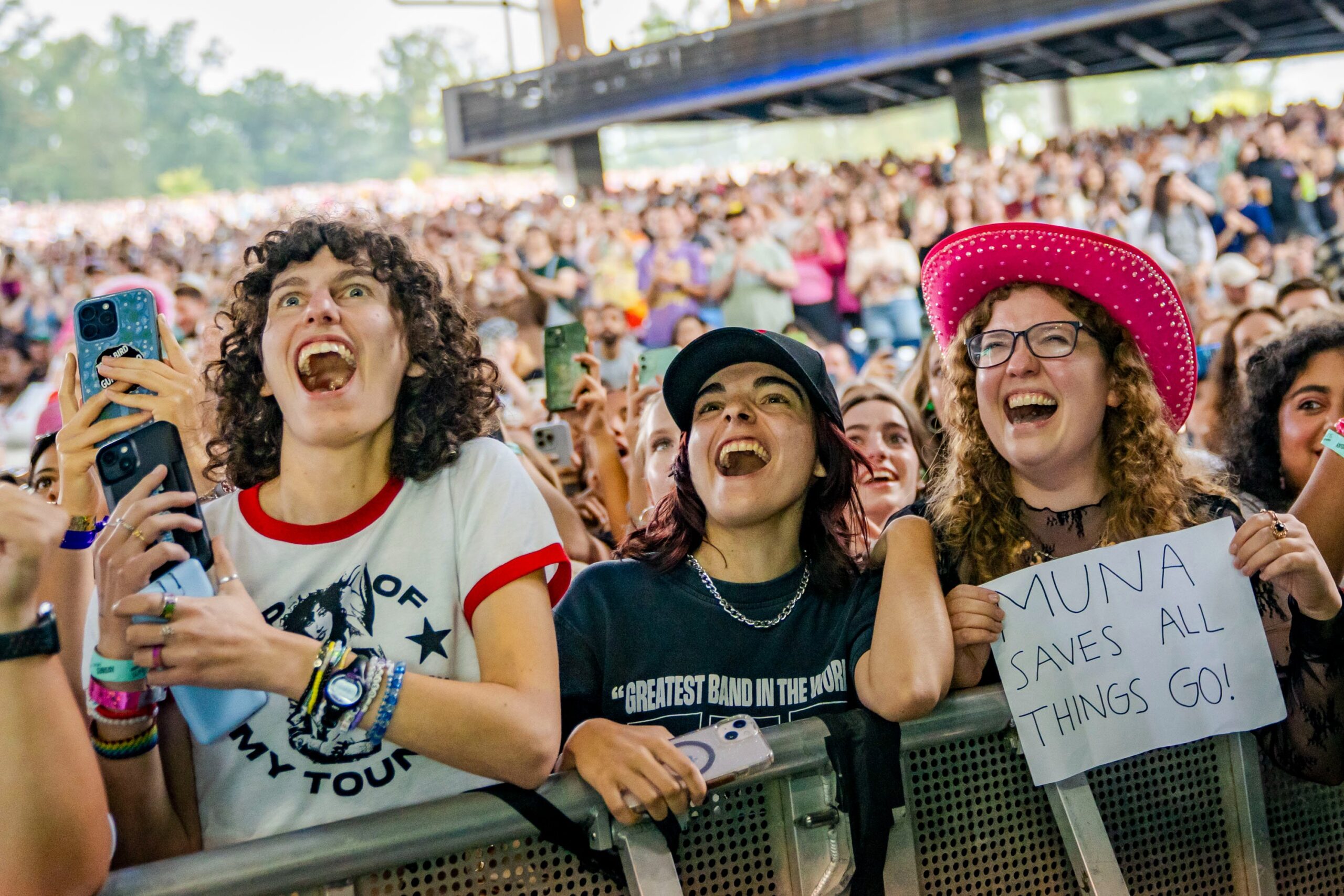
This commitment has fostered a uniquely welcoming atmosphere. Attendees often describe the crowd as respectful, expressive, and emotionally engaged. There is an unspoken understanding that this is a safe space to celebrate music and identity simultaneously.
Inclusivity also extends beyond the stage. Brand partnerships, vendor selections, and on-site experiences are often aligned with progressive values. The result is an event that feels cohesive in its mission rather than fragmented.
The Atmosphere: More Than Just a Concert
A common mistake is to think of All Things Go as just a series of performances stacked into a weekend schedule. In reality, the atmosphere is a core part of its appeal.
The pacing of the festival allows for discovery. You can wander between stages without feeling rushed. You can sit on the grass, have real conversations, and actually absorb the performances rather than sprinting from set to set. That slower rhythm makes the experience feel intentional.
Food vendors, art installations, and branded experiences are integrated in ways that enhance rather than distract. Instead of overwhelming attendees with excessive commercialization, the festival maintains a curated feel. Every element appears thoughtfully placed.
Most importantly, the emotional tone is distinct. When a headliner steps onto the stage as the sun sets, there is a collective sense of shared anticipation. People sing loudly, but they also listen. It feels communal rather than chaotic.
Strategic Expansion Without Losing Identity
Expansion can be risky for festivals. All Things Go Festival Scaling too quickly often dilutes what made the original event special. All Things Go, however, has managed to grow while preserving its core values.
Adding new cities has allowed the brand to reach wider audiences without abandoning its original fan base. Each new location feels adapted to its environment rather than copy-pasted. That flexibility demonstrates strong leadership and long-term vision.
Importantly, expansion has not led to a generic lineup formula. Each edition maintains its curatorial personality. The artists feel selected with care, not assembled through a standard booking template.
This strategic approach suggests that the organizers understand something fundamental: growth should enhance identity, not erase it. That philosophy is evident in every new chapter of the festival’s journey.
Why All Things Go Truly Matters
In today’s festival ecosystem, many events All Things Go Festival chase viral moments, flashy production, or social media spectacle. All Things Go succeeds because it prioritizes emotional connection over empty hype.
It understands its audience. It respects artistry. It invests in representation. And it curates experiences that feel meaningful rather than manufactured.
For music fans who crave more than just loud stages and big screens, this festival offers something deeper. It provides discovery, community, and authenticity in an era where those qualities can feel rare.
Ultimately, All Things Go is not simply about where music is today. All Things Go Festival It is about where music is going. And if its continued growth and cultural relevance are any indication, that direction looks incredibly promising.