ping pong restaurant closures uk: What Really Happened to a Beloved Dining Brand?
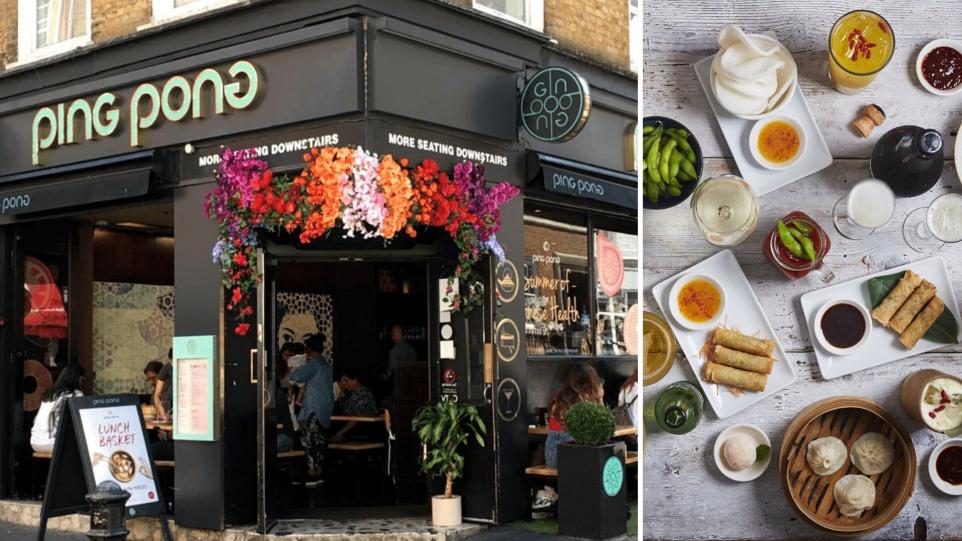
The story behind the ping pong restaurant closures uk is more than just another business shutting its doors. It is a reflection of how dramatically the UK hospitality landscape has changed over the past decade. For many Londoners and visitors, Ping Pong was not just a restaurant; it was a familiar meeting spot for dim sum, cocktails, and long conversations around circular tables filled with bamboo steamers.
When news broke that Ping Pong had closed its remaining restaurants, it marked the end of a 20-year run in one of the most competitive dining markets in the world. The closures were not sudden in the broader sense. They were the final chapter of a longer struggle involving rising costs, evolving customer expectations, and structural pressures facing the entire UK restaurant industry.
In this article, I will break down what led to the ping pong restaurant closures uk, what they reveal about the hospitality sector, and why this brand’s fall carries lessons for operators and diners alike.
The Rise of Ping Pong: A Modern Dim Sum Success Story
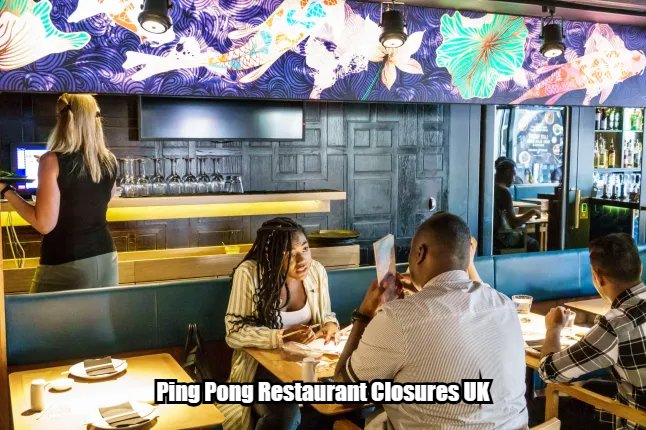
When Ping Pong launched in London in 2005, it arrived at the perfect moment. The capital’s dining culture was shifting away from formal, white-tablecloth establishments toward more relaxed, experience-driven venues. Ping Pong positioned itself cleverly between authenticity and accessibility. It offered dim sum in stylish surroundings, making a traditionally Cantonese dining style feel modern and social.
The interiors were contemporary, the menus were extensive, and the pricing sat comfortably in the mid-range casual dining bracket. For office workers in Soho, students near South Bank, and shoppers in central London, it became a dependable option. It was especially popular for group dining because dim sum naturally encourages sharing. This social format fit neatly into London’s evolving food culture.
At its peak, the brand operated multiple locations across central London. It wasn’t trying to be ultra-luxury, nor was it fast food. It carved out a middle space that felt aspirational but not intimidating. For years, that positioning worked extremely well. However, the same middle ground that once fueled its growth would later become one of its vulnerabilities.
The Warning Signs Before the Closures
The ping pong restaurant closures uk did not happen overnight. Long before the final announcements, there were signals that the business was under pressure. Like many restaurant groups, Ping Pong expanded during a period of economic optimism. Expansion in hospitality often relies on confidence in steady footfall, predictable rents, and manageable labor costs. When those variables shift, even established brands feel the strain.
The first major disruption came during the COVID-19 pandemic. Lockdowns effectively shut down the dine-in model for extended periods. Although delivery and takeaway options helped some operators survive, Ping Pong’s experience was built around atmosphere and in-person dining. Dim sum loses some of its charm when it arrives in a takeaway box instead of a steaming basket at a shared table.
After restrictions lifted, recovery across the sector was uneven. Foot traffic in central London was slower to return compared to pre-pandemic levels, especially in areas heavily reliant on office workers and international tourism. Even when customers returned, spending patterns had changed. Many diners were more cautious with discretionary spending due to rising living costs.
Rising Costs and Shrinking Margins
To understand the ping pong restaurant closures uk properly, we have to talk about operating costs. Over the past several years, UK hospitality businesses have faced a perfect storm of financial pressures.
Energy prices rose sharply, particularly during and after the global energy crisis. Restaurants, which rely heavily on gas and electricity for cooking, refrigeration, and lighting, were hit hard. At the same time, increases in the National Living Wage pushed payroll expenses higher. While paying staff fairly is essential, labor typically accounts for one of the largest portions of a restaurant’s cost base. Even small percentage increases can significantly impact profitability.
On top of that, business rates and rent in central London remain some of the highest in the country. For a multi-site operator like Ping Pong, fixed costs across several prime locations can quickly become overwhelming if revenue dips. When sales drop by even 10 to 20 percent, the financial model becomes difficult to sustain.
The casual dining segment in particular has been squeezed from both ends. On one side, fast-casual and takeaway brands offer cheaper alternatives. On the other, independent, high-quality restaurants attract diners willing to pay more for authenticity. Brands stuck in the middle often struggle to justify their price point when customers become more selective.
Changing Consumer Expectations
Another key factor behind the ping pong restaurant closures uk was the evolution of customer tastes. The UK public has become far more knowledgeable about global cuisines over the past decade. Social media, food travel, and cooking shows have all contributed to a more adventurous dining culture.
When Ping Pong first launched, dim sum in a stylish setting felt novel and exciting. Over time, however, competition increased. London saw a rise in highly authentic regional Chinese restaurants, smaller independent dim sum specialists, and innovative Asian fusion concepts. Customers seeking traditional flavors could find more specialized alternatives, often at lower prices.
At the same time, diners began to prioritize transparency, sustainability, and ingredient sourcing. Casual dining brands have to constantly reinvent themselves to stay relevant. Menu updates, interior refreshes, and marketing repositioning all require investment. If a business is already operating on thin margins, it becomes difficult to fund the kind of innovation needed to compete in a dynamic market.
This does not mean Ping Pong lost all appeal. It maintained a loyal customer base until the end. But loyalty alone is rarely enough to offset structural financial pressures.
The Emotional Impact of the Closures
Beyond economics, the ping pong restaurant closures uk carried an emotional weight. Hospitality businesses are woven into the social fabric of cities. They host birthdays, first dates, family gatherings, and countless everyday moments that become memories.
For many Londoners, Ping Pong represented a reliable favorite. It was a safe choice when entertaining out-of-town guests or organizing group dinners. The consistency of the menu and atmosphere provided comfort. When such places disappear, it feels like a small part of the city’s identity shifts.
The closures also affected staff. Restaurants are labor-intensive operations employing chefs, servers, managers, and support teams. Each site closure means jobs lost and careers disrupted. In an industry already known for instability, large-scale closures amplify uncertainty for workers.
What the Ping Pong Restaurant Closures UK Reveal About the Industry
The fall of Ping Pong is not an isolated story. It reflects broader trends within the UK hospitality sector. Mid-market casual dining brands have been particularly vulnerable in recent years. Rising costs, economic uncertainty, and more discerning consumers have reshaped the competitive landscape.
Successful operators today tend to fall into one of two categories. Some focus on strong value propositions, streamlined menus, and operational efficiency. Others double down on unique, high-quality experiences that justify premium pricing. Brands caught in between often struggle to define their edge.
Another lesson is the importance of adaptability. The hospitality sector is highly sensitive to external shocks, from pandemics to economic downturns. Building financial resilience, maintaining flexible cost structures, and diversifying revenue streams are no longer optional strategies. They are essential for survival.
At the same time, the industry remains dynamic. For every closure, new concepts emerge. Empty units eventually reopen under different names, often with leaner models and more focused branding. The market corrects itself, but not without casualties.
Could the Closures Have Been Prevented?
It is easy to speculate about whether the ping pong restaurant closures uk could have been avoided. In hindsight, earlier restructuring, fewer sites, or a sharper brand repositioning might have extended the chain’s life. However, it is important to acknowledge how unprecedented some of the recent challenges were.
Few business plans account for extended nationwide lockdowns. Even fewer anticipate simultaneous spikes in energy, labor, and supply chain costs. The hospitality sector was effectively tested under extreme conditions.
In many ways, Ping Pong’s two-decade run was an achievement in itself. The restaurant industry has always been volatile, and surviving 20 years in central London is no small accomplishment. The brand experienced growth, adaptation, and reinvention before eventually reaching its limit.
Looking Ahead: The Future of UK Casual Dining
The ping pong restaurant closures uk should not be interpreted as a sign that UK dining is in decline. Instead, they highlight a transition. Consumers still value eating out, but they are more selective about where and how they spend their money.
Future success in casual dining will likely depend on clarity of identity, operational discipline, and responsiveness to change. Technology integration, delivery optimization, and smarter site selection will play increasingly important roles. So will strong storytelling and authenticity.
For diners, the closure serves as a reminder to support the restaurants they love. Hospitality operates on narrow margins. Regular patronage, positive word of mouth, and community engagement can make a meaningful difference.
Ping Pong may have closed, but its influence on London’s casual dining culture remains part of the city’s culinary history. The brand helped popularize dim sum as a mainstream social experience. It demonstrated that Asian cuisine could thrive in stylish, contemporary settings across multiple sites.
In the end, the ping pong restaurant closures uk represent both an ending and a lesson. They show how even beloved brands must continuously adapt in an unforgiving market. They also remind us that the restaurant industry, while resilient and creative, is never immune to economic reality.