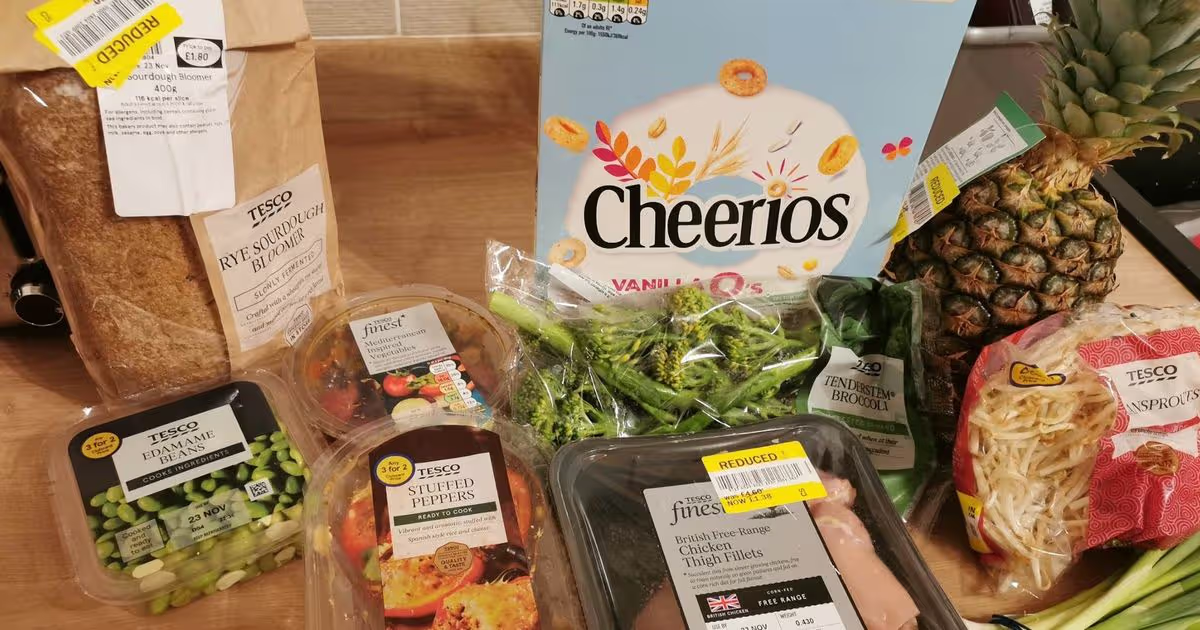
Tesco Free Food Yellow Stickers: How Smart Shoppers Save Big
Understanding Tesco’s Yellow Sticker System
If you have ever walked through a Tesco store in the evening, you may have noticed brightly colored yellow stickers on certain food items. These labels are part of Tesco’s markdown system, designed to reduce the price of products that are close to their expiration date or need to be sold quickly. Many experienced shoppers actively look for these stickers because they can lead to huge savings on everyday groceries.
The yellow sticker system is simple but incredibly effective. When items such as fresh produce, bakery goods, dairy products, and ready meals approach their “use-by” or “best-before” date, Tesco staff reduce the price and apply a yellow label showing the discounted amount. Sometimes the reductions are modest, but at other times the discounts can reach up to 75% or even more, making the items extremely affordable.
What makes the yellow sticker phenomenon especially interesting is how it has become a strategy among savvy shoppers. Some people plan their grocery trips around the times when Tesco usually applies these markdowns. For many families, students, and budget-conscious households, yellow sticker shopping has become a reliable way to stretch their food budget while still enjoying high-quality products.
Why Tesco Marks Down Food Items
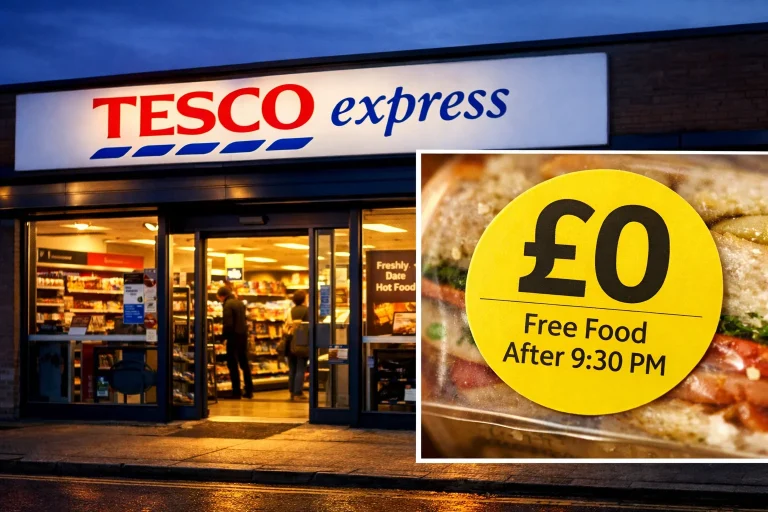
The main reason Tesco uses yellow stickers is to reduce food waste. Tesco Free Food Yellow Stickers Supermarkets deal with thousands of products daily, and many items have limited shelf lives. Instead of throwing away food that is still perfectly safe to eat, the store reduces the price to encourage customers to buy it quickly.
Food waste is a significant issue for retailers worldwide. Fresh foods such as meat, vegetables, and prepared meals often have short expiration periods. Without a system like yellow sticker markdowns, large amounts of edible food could end up being discarded. By lowering prices near the end of a product’s shelf life, Tesco helps ensure that the food gets consumed rather than wasted.
Another reason for markdowns is inventory management. Supermarkets must constantly make room for new stock arriving from suppliers. If older items are not sold quickly enough, they take up valuable shelf space. Yellow sticker discounts help move those products faster, keeping the shelves fresh and organized.
Finally, markdowns benefit both the store and the customer. Tesco still makes some revenue from items that might otherwise be wasted, and shoppers get significant discounts. This creates a win-win situation where the business remains efficient and customers feel rewarded for their smart shopping habits.
When Yellow Stickers Usually Appear
Timing is everything when it comes to finding the best yellow sticker deals. While markdown schedules can vary slightly by store, experienced shoppers often know roughly when reductions happen during the day. Understanding these timing patterns can greatly increase your chances of grabbing the best bargains.
In many Tesco locations, the first round of markdowns typically happens in the late afternoon. At this stage, items that need to sell quickly receive their initial price reduction. These discounts might be moderate, but they still offer a good opportunity for shoppers who arrive early and want a wider selection.
The most dramatic reductions often appear later in the evening. As the store approaches closing time, staff may apply deeper discounts to ensure that remaining products sell before the next day. This is when some items can drop to extremely low prices, sometimes costing only a fraction of their original value.
However, it’s worth noting that evening markdowns can attract a crowd of bargain hunters. Regular yellow sticker shoppers often wait near the sections where staff apply reductions. While this can feel competitive, it also highlights just how popular these deals have become among people looking to save money on groceries.
How Shoppers Turn Yellow Stickers Into Free Food
One of the most talked-about aspects of yellow sticker shopping is the possibility of getting food for free. While it may sound surprising, some shoppers manage to walk away with groceries that cost them nothing at the checkout. This usually happens through a combination of deep markdowns, coupons, and store policies.
Sometimes a product is reduced so heavily that it costs only a few cents. When customers apply digital coupons or loyalty points, the discount can exceed the final price of the item. In these cases, the system may effectively make the item free or extremely close to free. It’s not something that happens every day, but experienced bargain hunters know how to spot these opportunities.
Another way shoppers benefit is through Tesco’s commitment to reducing food waste. In certain situations, items that are very close to their expiration time may be offered at extremely low prices just before closing. For someone who plans to eat or freeze the food immediately, this can feel almost like getting free groceries.
Additionally, some community initiatives and food-sharing programs work alongside supermarkets to redistribute unsold items. While these programs vary by location, they often aim to ensure that surplus food reaches people who can use it rather than going into the trash.
Tips for Finding the Best Yellow Sticker Deals
If you want to make the most of Tesco’s yellow sticker system, a little strategy goes a long way. Regular bargain hunters know that finding the best deals is not just about luck—it’s about knowing where to look and when to shop.
First, timing your visit is crucial. As mentioned earlier, many of the biggest reductions happen in the evening. Visiting the store about one or two hours before closing often gives you a good chance of seeing the final markdowns. However, arriving too late might mean the shelves have already been cleared by other shoppers.
Second, learn which sections usually carry discounted items. The bakery area, fresh produce section, and ready-meal refrigerators are common places where yellow stickers appear. Meat and dairy sections can also offer great deals, especially when products are close to their use-by dates.
Another useful tip is to keep an open mind about what you buy. Yellow sticker shopping works best when you are flexible with your meal planning. Instead of shopping with a fixed grocery list, you allow the discounted items to inspire your meals for the next day or two. This approach not only saves money but also encourages creativity in the kitchen.
Is Yellow Sticker Food Safe to Eat?
A common question among people new to yellow sticker shopping is whether discounted food is still safe to eat. The short answer is yes. Supermarkets follow strict food safety standards, and products are marked down while they are still within their safe consumption period.
It’s important to understand the difference between “best-before” and “use-by” dates. Best-before dates refer to quality rather than safety. This means the food may still be perfectly edible after the date passes, although its texture or flavor might change slightly. Use-by dates, on the other hand, indicate the final day the product should be consumed for safety reasons.
Tesco typically applies yellow stickers before these dates expire. This gives customers enough time to use or freeze the items. For example, meat or ready meals can often be frozen on the day of purchase, extending their usability for weeks or even months.
Smart shoppers always check the label carefully and plan accordingly. If a product needs to be eaten the same day, they make sure they have a meal planned for it. By paying attention to dates and storage instructions, you can enjoy yellow sticker deals without any concerns about safety.
The Growing Popularity of Yellow Sticker Shopping
Over the past few years, yellow sticker shopping has grown from a simple store practice into a full-blown trend. Social media platforms are filled with photos of incredible bargains, where shoppers proudly show off baskets full of discounted groceries. This online sharing has introduced more people to the idea of hunting for markdowns.
Economic factors have also played a role in the rising popularity of these deals. With the cost of living increasing in many places, people are more interested than ever in finding ways to reduce their grocery bills. Yellow sticker shopping provides a practical solution without forcing families to sacrifice food quality.
Another reason for the trend’s growth is the increasing awareness of food waste. Many shoppers feel good knowing that they are helping prevent perfectly edible food from being thrown away. Buying discounted items close to their expiration date supports sustainability and responsible consumption.
For some people, the excitement of finding a great bargain even turns grocery shopping into a small adventure. The thrill of discovering an item reduced from a high price to just a few cents adds an element of fun to an otherwise routine task.
Final Thoughts on Tesco Free Food Yellow Stickers
Tesco’s yellow sticker system is much more than a simple pricing strategy. It represents a smart approach to reducing food waste, helping customers save money, and ensuring that products are used rather than discarded. For shoppers who understand how the system works, these bright labels can unlock impressive savings.
By learning the best times to shop, staying flexible with meal planning, and paying attention to expiration dates, anyone can benefit from yellow sticker deals. While getting completely free food might not happen every time, the discounts alone can significantly reduce your grocery expenses.
Ultimately, yellow sticker shopping reflects a broader shift toward smarter, more conscious consumer habits. People are realizing that saving money and reducing waste can go hand in hand. With a little patience and awareness, those small yellow labels can turn an ordinary shopping trip into a rewarding experience.