
Introduction to Pulsamento
The word pulsamento may not be widely recognized in everyday language, yet its essence is something we all experience constantly. At its core, refers to a rhythmic pulsation—whether physical, emotional, or energetic—that governs the flow of life. Think of your heartbeat, your breathing, or even the ebb and flow of your emotions; all of these can be described as forms of pulsamento.
From a broader perspective, pulsmento can be understood as the natural oscillation present in living systems. It reflects a pattern of expansion and contraction, tension and release, activity and rest. This rhythm is not limited to biology; it appears in music, art, communication, and even relationships. When we tune into pulsamento, we begin to notice patterns that were previously overlooked.
What makes pulsamento particularly fascinating is its universality. Whether you are aware of it or not, your body and mind are constantly engaged in cycles. Recognizing and understanding these cycles can lead to greater self-awareness, improved well-being, and a deeper connection to the world around you.
The Biological Basis of Pulsamento
At the biological level, pulsamento is most evident in the human body. The heartbeat is the most obvious example—a steady, rhythmic contraction and relaxation that sustains life. Without this pulsation, the body cannot function. However, the concept goes far beyond the heart. Blood circulation, neural signaling, and even cellular processes operate in rhythmic cycles.
Breathing is another powerful illustration of pulsmento. Inhalation represents expansion, while exhalation represents release. This simple yet profound rhythm is something we often take for granted, but it plays a crucial role in regulating our nervous system. When breathing becomes irregular, it can signal stress or imbalance; when it is steady, it promotes calmness and clarity.
Even at the microscopic level, cells exhibit pulsating behaviors. Ion channels open and close, electrical signals fire in rhythmic patterns, and hormones are released in cycles. These processes demonstrate that pulsamento is not just a metaphor—it is a fundamental principle embedded in the very structure of life.
Pulsamento in Emotions and Psychology
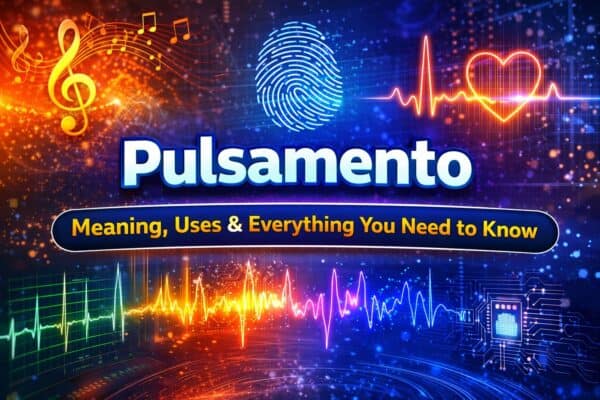
Beyond the physical body, pulsamento also manifests in our emotional and psychological experiences. Emotions are rarely static; they rise, peak, and eventually subside. This dynamic movement mirrors the same rhythmic patterns found in biological processes.
For example, consider how stress builds and releases. You might feel tension gradually increasing during a challenging situation, followed by a sense of relief once it passes. This cycle of pressure and release is a form of emotional pulsamento. Understanding this pattern can help individuals manage their reactions more effectively.
Similarly, creativity often follows a pulsating rhythm. There are moments of intense inspiration followed by periods of rest or reflection. Instead of resisting these fluctuations, embracing them can lead to more sustainable productivity. Recognizing pulsamento in emotional life allows for a more balanced and compassionate approach to oneself.
The Role of Pulsamento in Energy and Vitality
Energy is not constant; it moves in waves. Throughout the day, you may notice periods of high energy followed by moments of fatigue. This natural fluctuation is another expression of pulsamento. Rather than forcing continuous productivity, aligning with these rhythms can improve efficiency and well-being.
Physical vitality also depends on cycles of exertion and recovery. Exercise, for instance, involves stressing the body followed by a recovery phase where growth and repair occur. Ignoring this pulsating rhythm can lead to burnout or injury. Respecting it, on the other hand, enhances performance and resilience.
On a deeper level, pulsamento can be linked to the concept of life force or vitality. Many traditions describe energy as something that flows and pulses through the body. Whether you interpret this scientifically or philosophically, the idea remains the same: life thrives on rhythm, not stagnation.
Pulsamento in Art, Music, and Creativity
In the world of art and music, pulsamento is a defining element. Rhythm is the backbone of music, guiding both the performer and the listener. Without it, music would lose its structure and emotional impact. The beat you tap your foot to is a direct expression of pulsamento.
Visual arts also embody this concept. Patterns, contrasts, and repetition create a sense of movement and flow within a piece. Even in literature, pacing—the alternation between tension and calm—keeps readers engaged. These creative expressions demonstrate how pulsamento shapes our perception and experience.
Artists often intuitively understand pulsamento, even if they do not use the term. They know when to build intensity and when to pull back. This balance creates harmony and keeps the audience connected. By observing art, we can learn how rhythm influences not only creativity but also human engagement.
Pulsamento in Relationships and Communication
Human relationships are deeply influenced by rhythmic patterns. Conversations, for instance, have a natural flow—speaking, listening, pausing, and responding. When this rhythm is disrupted, communication can feel awkward or strained.
Emotional connection also follows a pulsating pattern. There are moments of closeness and moments of distance. This does not necessarily indicate a problem; rather, it reflects the natural dynamics of human interaction. Understanding this can prevent unnecessary चिंता (worry) and foster healthier relationships.
Even conflict can be seen through the lens of pulsamento. Tension builds, reaches a peak, and eventually resolves. Recognizing this cycle can help individuals navigate disagreements more effectively. Instead of reacting impulsively, they can allow the rhythm to unfold and find resolution in a more balanced way.
How to Tune Into Your Own Pulsamento
Becoming aware of your own pulsamento starts with observation. Pay attention to your body, your emotions, and your energy levels throughout the day. Notice patterns—when you feel most alert, when you need rest, and how your mood fluctuates.
Mindfulness practices can be particularly helpful in this process. Techniques such as meditation or deep breathing allow you to connect with your internal rhythms. By focusing on your breath, you can directly experience pulsamento in action, grounding yourself in the present moment.
Another practical approach is to align your activities with your natural cycles. Instead of forcing yourself to work continuously, take breaks when needed. Listen to your body and respond accordingly. Over time, this awareness can lead to greater balance and overall well-being.
The Benefits of Embracing Pulsamento
Embracing pulsamento can have profound effects on both physical and mental health. When you align with natural rhythms, you reduce stress and increase efficiency. This approach encourages a more sustainable lifestyle, where effort and rest are balanced.
It also enhances self-awareness. By understanding your own cycles, you gain insight into your behaviors and reactions. This can lead to better decision-making and improved emotional regulation. Instead of fighting against your nature, you work with it.
Furthermore, recognizing pulsamento fosters a deeper connection to life itself. You begin to see patterns not only within yourself but also in the world around you. This perspective can bring a sense of harmony and appreciation, making everyday experiences more meaningful.
Conclusion: Living in Rhythm with Pulsamento
Pulsamento is more than just a concept—it is a fundamental aspect of existence. From the beating of your heart to the flow of your emotions, rhythm is at the core of life. By understanding and embracing this principle, you can enhance your well-being and deepen your connection to the world.
Living in harmony with pulsamento does not require drastic changes. It begins with simple awareness and a willingness to listen to your body and mind. Over time, this awareness can transform the way you approach work, relationships, and personal growth.
Ultimately, pulsamento reminds us that life is not meant to be static. It is a continuous dance of movement and stillness, effort and ease. By aligning with this rhythm, we can live more fully, more naturally, and more authentically.
